

On Grid vs Off Grid Solar Systems: Which One Is Right for Your Property?

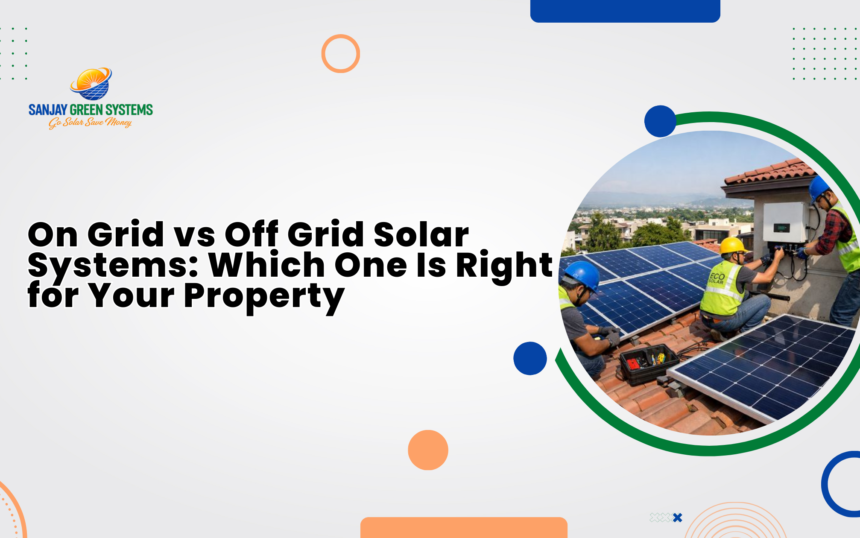
Switching to solar power is no longer just an option; it’s a smart financial move because electricity prices go up every year. But before you put in a solar system, you need to make one important choice that could affect your savings and long-term benefits:
Should you choose an on-grid or off-grid solar system?
If you’re considering a solar panel installation in erode, understanding how these two systems work will help you make the right choice based on your energy needs and budget.
What is an On-Grid Solar System?
A solar system that is on the grid is directly connected to the grid. It makes power during the day and uses grid electricity when it needs to, so the power supply is always there.
Net metering is one of its best features because it lets you send extra electricity back to the grid and cut your EB bill by a lot.
Key Advantages:
- Lower installation cost (no battery required)
- High efficiency and optimal performance
- Reduced electricity bills through net metering
- Faster return on investment
Best suited for homes, offices, and commercial buildings in urban areas.
What is an Off-Grid Solar System?
An off-grid solar system operates independently from the electricity grid. It stores energy in batteries, making it a reliable solution for areas with inconsistent or no power supply.
This system ensures that you have electricity even during outages or in remote locations.
Key Advantages:
- Complete energy independence
- Reliable backup during power cuts
- Ideal for rural and agricultural applications
- No reliance on electricity providers
On-Grid vs Off-Grid: What’s the Real Difference?
While both systems generate solar power, the real difference lies in cost, dependency, and reliability.
- Cost Factor: On-grid systems are more affordable since they don’t include batteries. Off-grid systems require additional investment for storage.
- Power Availability: On-grid systems depend on the grid, while off-grid systems provide uninterrupted power.
- Maintenance: Battery maintenance increases the upkeep cost in off-grid systems.
- Savings Potential: On-grid systems offer better financial returns due to lower setup cost and net metering benefits.
In most cases, on-grid systems are preferred for maximizing savings.
Which Solar System is Right for Your Property in Erode?
Choosing the right system depends on how and where you use electricity.
Residential Homes
For most households, on-grid systems are the most practical option. They offer excellent cost savings and require minimal maintenance. However, if you experience frequent power cuts, an off-grid system can provide peace of mind.
Commercial & Industrial Spaces
Businesses benefit more from on-grid systems due to higher electricity usage. These systems help reduce operational costs and deliver faster ROI, making them a smart investment.
Agricultural & Remote Areas
Off-grid systems are ideal for farms and remote properties where grid connectivity is limited or unreliable.
To make the right decision, it’s always advisable to consult the best solar company in erode, as system design plays a key role in long-term performance.
Cost & ROI: What Should You Expect?
Understanding the financial aspect is crucial before choosing a system.
On-Grid Systems:
- Lower upfront cost
- Payback period: 3–5 years
- Significant long-term savings
Off-Grid Systems:
- Higher initial investment
- Battery replacement costs over time
- Slower ROI but greater independence
For most urban users, on-grid systems deliver the best balance between cost and savings.
Key Factors to Consider Before Choosing
Before finalizing your solar system, evaluate:
- Your monthly electricity consumption
- Frequency of power outages
- Budget and investment capacity
- Available roof space
- Long-term energy goals
A well-planned system ensures maximum efficiency and long-term returns.
Why Professional Installation Matters
Solar is a long-term investment, and the quality of installation directly affects performance.
Choosing experienced professionals ensures:
- Proper system design
- Maximum energy generation
- Long-lasting performance
- Reliable maintenance support
Conclusion
Both on-grid and off-grid solar systems have their advantages, but the right choice depends on your specific requirements.
If your goal is to reduce electricity bills and achieve faster ROI, an on-grid system is the ideal choice. If you need uninterrupted power and complete independence, an off-grid system is more suitable.